
Toss the FOG, Prevent a Clog
Bacon grease. Leftover frying oil. The buttery residue at the bottom of a pan. We get it – you’ve got a million things to do besides washing the dishes. It’s tempting to just rinse it all down the sink and move on.
But that small decision is one of the most common – and most preventable – causes of clogged pipes and sewer backups in homes and businesses.
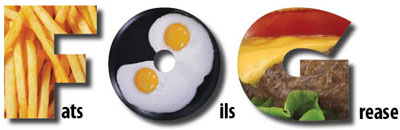
It’s called FOG: fats, oils, and grease. And once it’s in your pipes, it’s much harder to get out than to keep it out in the first place.
Preventing Pipe Traffic Jams
When you cook, grease is usually hot and liquid, which makes it easy to pour. That’s exactly the problem.
As grease travels through your plumbing, it cools and begins to solidify, sticking to the inside of your pipes like a slow-motion traffic jam. Over time, those sticky deposits collect more grease and food particles, gradually narrowing the pipe until water can no longer flow freely.
The problem doesn’t always stop at your kitchen sink. A severe blockage can cause wastewater to back up into homes or overflow from sewer systems. Those overflows can reach streets, storm drains, and eventually our local waterways.
Nationally, FOG-related backups cause an estimated 138,000 sewer overflows a year, and the cleanup can cost billions of dollars.
And if your home has a septic system, you’re not off the hook. Excess grease can interfere with your system’s natural biological processes, leading to costly maintenance and reducing the system’s effectiveness over time.
Can It, Cool It, Toss It
Keeping FOG out of your pipes is simple:
- Can it. Pour leftover grease and cooking oil into a container with a lid (an old jar or coffee tin works great).
- Cool it. Let it solidify or cool down before handling.
- Toss it. Once it’s solid, throw the whole container into the trash.
A few other easy habits that can help:
- Scrape food scraps into the trash before washing dishes.
- Wipe greasy pans with a paper towel before washing.
- Don’t rely on hot water and dish soap to “flush” grease away. Eventually, the grease will cool further down the pipe and create a bigger blockage.
- If you own or operate a restaurant or other food service business, make sure your grease trap is inspected and serviced regularly.
These simple habits reduce the risk of neighborhood sewer backups, help protect local waterways, and extend the life of the public sewer system. It’s much easier (and far less expensive) to toss a jar of cooled grease in the trash than to deal with a backed-up sink.
Have any questions about your sewer line or need to report an issue? Contact
Can change contact info here